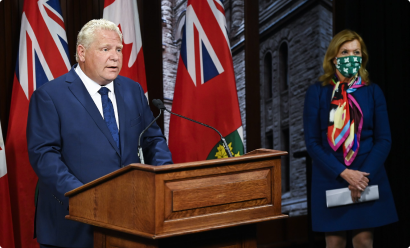

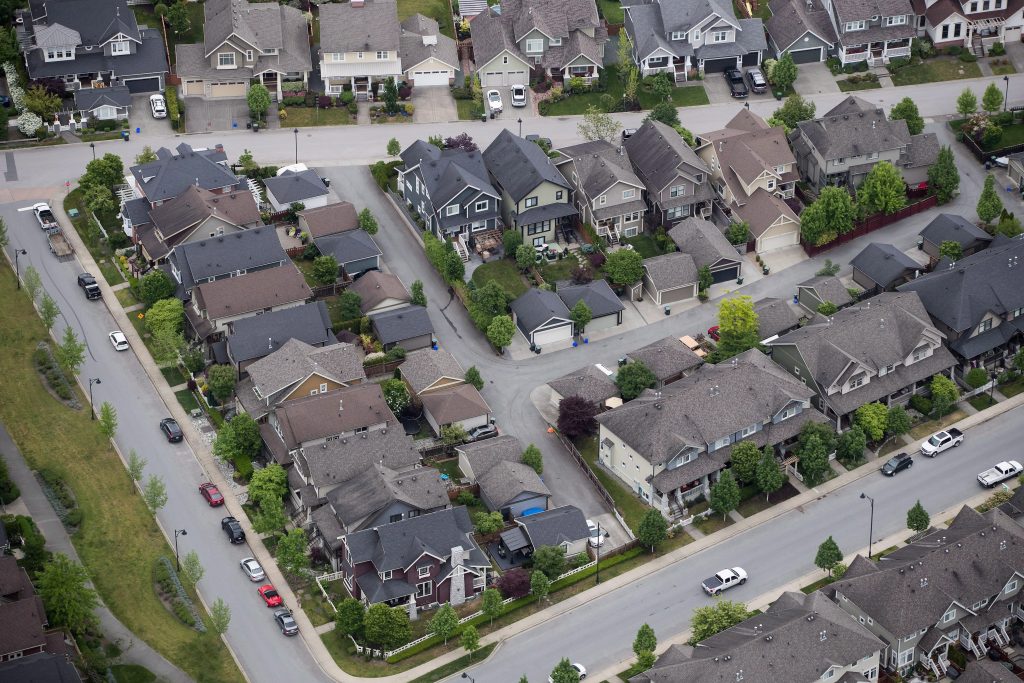
Toronto property owners can expect to pay more in property taxes starting February, if city council approves the yearly budget on Wednesday. Mayor Olivia Chow announced Toronto will be increasing property taxes by 9.5 per cent, in a measure to combat the $1.8 billion budget shortfall.
According to the Residential Tenancies Act (RTA), tenants of rent controlled units (those that were occupied for residential purposes before Nov. 15, 2018) would only be impacted by this if their landlord applies to the Landlord and Tenant Board (LTB) for a rent increase above the yearly provincial guideline cap.
Property owners in Toronto are not happy with the news, stating that an increase in taxes will cause a number of problems. Marcello Balenzano, a homeowner and landlord, says the impact of the hike will not only affect homeowners, but also tenants.
“The spike in property taxes was uncalled for, especially such a high amount. Living in the city has become unaffordable and homeownership, unrealistic. As a landlord, I know my tenants will feel the effect of this as well,” Balenzano said.
Mayor Chow is defending her decision by stating the shortfall in funding is due to the effects of COVID-19.
But there is still some hope for homeowners. Real estate expert and Assistant Professor in Real Estate Management at Toronto Metropolitan University, Dr. Anson Ho, says homeowners should not expect a substantial increase in their monthly payments.
“Homeowners shouldn’t be too worried about the announcement the city made. Looking at the perspective of a homeowner, it will be around $300 per year,” Dr. Ho said.
But with the rise of inflation and the increasing cost of living in Toronto, homeowners like Balenzano say that even a $300 annual increase is substantial.
“Grocery runs are no less than $100. People will have to start spending their money wisely,” Balenzano said.
However, Dr. Ho worries landlords may use this announcement as a means to increase rent prices for rental units.
“Landlords may see this as an opportunity to raise rental prices; however tenants can expect a small increase to rent prices,” added Dr. Ho.
Deni Calisto, who has been renting in Toronto for nearly a decade, says increased taxes make it difficult to rent in the city; and make home ownership nearly impossible.
“Increasing property taxes means bad news for tenants like myself, it might be too early to speculate how much rental prices will increase, but it will definitely affect some tenants more than others,” Calisto said. He says while city council is attempting to make Toronto an affordable city to live in, it’s contradictory when property taxes are being increased at such a great rate.
“I understand the rationale behind the tax increase, but such a large spike in a short amount of time is alarming. The city does not take into consideration that most people in the city live paycheque to paycheque and increasing rental and property prices just add to the unaffordability of Toronto.”
According to the Canadian Real Estate Association, in 2023 the average price for a condominium in Toronto was $630,000 while the average price of a single detached home was $1,225,000.
Prices like these make Calisto and many other prospective homeowners apprehensive about buying property in the city.
“My partner and I have been saving up for a down payment on a condo, however with property prices increasing and now add increased taxes to the equation, prospective homeowners like myself really need to evaluate the realistic nature of owning a property in the city, or buying cheaper somewhere further,” Calisto said.
Although many homeowners and tenants like Balenzano and Calisto are not looking forward to the increase, the budget is still yet to be approved by city council which is set to take session on Wednesday.