
Toronto’s deputy mayor says Tuesday’s federal budget will have a significant impact on Torontonians after it failed to address the city’s request for financial support.
Finance Minister Chrystia Freeland’s 2023 budget invested heavily in clean electricity and health care, but didn’t provide money to Canada’s largest city to offset a pandemic shortfall of nearly $1 billion.
“We have been very clear to the government what the city’s needs are and about the importance of supporting Toronto,” Jennifer McKelvie said in a statement, calling the city Canada’s “economic engine.”
McKelvie says she is disappointed that Freeland, a Toronto MP, would ignore a direct commitment the federal Liberals made during the last election to former mayor John Tory.
Speaking ahead of Wednesday’s city council meeting, the first since Tory’s resignation, McKelvie says the lack of funding is going to have a serious impact on residents.
“You’re going to see cuts rapidly happen in 2024 if we don’t get assistance,” she says. “We are able to use reserves we’ve squirrelled away to pay for this year, but it’s not a good strategy going forward.”
“It’s like taking out your RRSP to pay your mortgage.”
Last month, the city finalized its own budget with a nearly $1-billion shortfall due to pandemic costs, including decreased TTC ridership and an increased cost of homelessness. The City had asked the federal government for immediate support to cover $235 million of its COVID shortfall, matching the provincial government’s confirmed commitment.
McKelvie wrote a letter to Ontario Finance Minister Peter Bethlenfalvy and Freeland at the beginning of March to ask for funding for various programs.
The provincial budget tabled last week committed $48 million to help cover supportive housing costs, but failed to provide any other significant funding.
“There’s really only two ways to close a budget gap of that size,” says Matti Siemiatycki, professor in geography and planning at the University of Toronto. “Either you raise additional revenues or you cut costs.”
“Both of those are unpalatable options.”
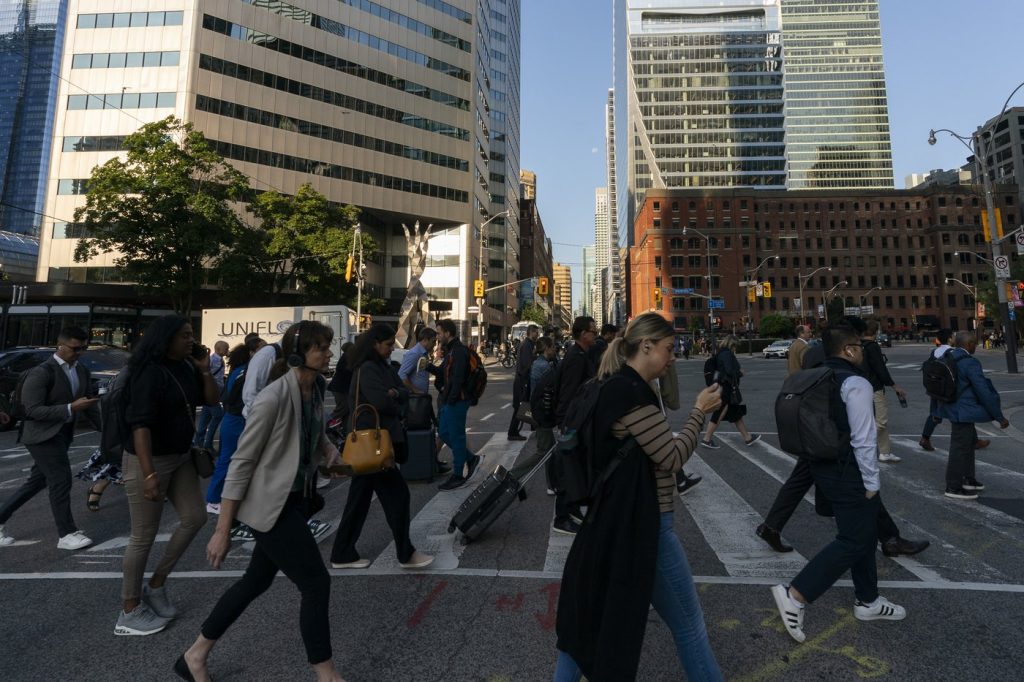
Siemiatycki says the most notable implication for the city will be on public transit. The TTC reduced service on a number of routes this week before fares increase for youth and adults next week.
“We might start to see taxes going up quite substantially too,” he says. “The typical mantra in Toronto has been tax increases at, or below, the rate of inflation. Inflation is significantly up right now.”
For her part, McKelvie says she will continue to have discussions with the provincial and federal governments going forward.
“Our ongoing financial challenges demonstrate that we need a new fiscal framework for Toronto,” she says. “It’s not sustainable.”