
The auditor general’s investigation into Ontario’s decision to open protected Greenbelt lands up to housing development found the process favoured developers and failed to consider environmental, agricultural and financial risks and impacts.
In Bonnie Lysyk’s scathing report, which was released on Wednesday, she also found the selection of lands removed from the Greenbelt was “biased,” “seriously flawed” and was “dismissive of effective land-use planning.”
The decision was also not necessary to meet the province’s housing target of 1.5 million homes, according to the report.
Lysyk launched a value-for-money probe in January after a joint request from the Ontario Liberals, NDP, and Green Party.
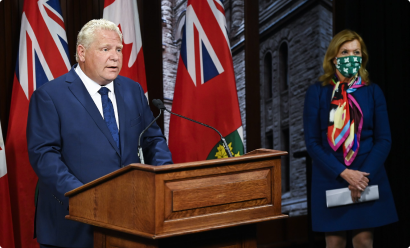
Ontario Premier Doug Ford is expected to respond to the report alongside Steve Clark, Minister of Municipal Affairs and Housing at 1 p.m.
“The way the government assessed and selected lands for removal from and addition to the Greenbelt was not publicly transparent, objective or well-informed, and was inconsistent with the vision, goals and processes of the Greenbelt Plan,” it read.
“Given the high level of public interest that any change to the Greenbelt’s boundary was expected to carry, the Housing Minister ought to have known the process used that would lead to the removal of land from the Greenbelt, and ensure that Cabinet and the Premier were also made aware of these details.”
Lysyk said in her report that provincial government actions to open parts of the Greenbelt failed to consider environmental, agricultural and financial risks and impacts. There was also little input from experts and affected parties and favoured certain developers/landowners.
“The exercise to change the Greenbelt boundaries in Fall 2022 cannot be described as a standard or defensible process. The truncated and highly restricted land selection exercise excluded substantive input from land-use planning experts in provincial ministries, municipalities, conservation authorities, First Nations leaders, and the public, while giving preferential treatment to certain developers with direct access to the Chief of Staff to the Minister of Municipal Affairs and Housing.”
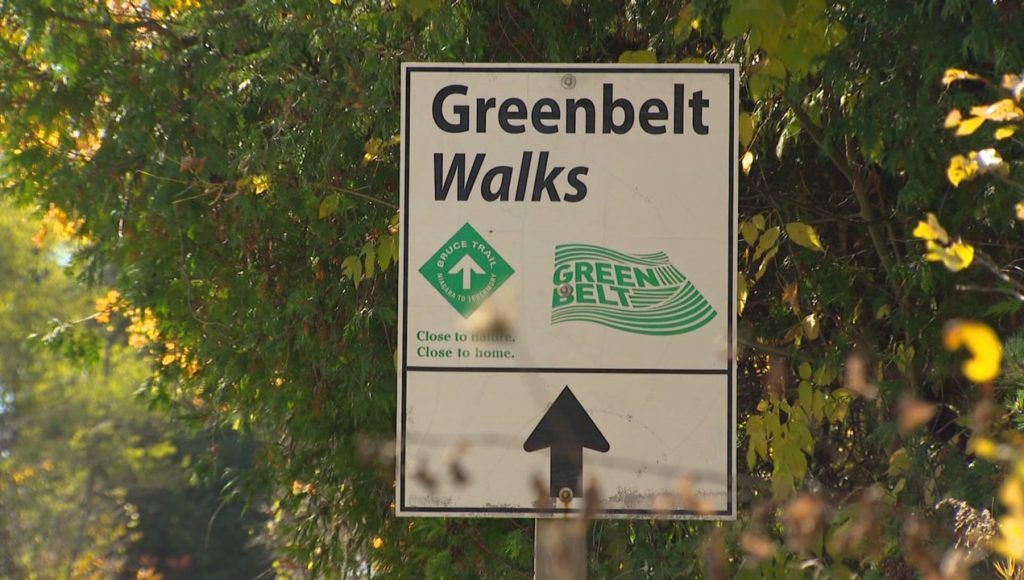
Ontario’s Greenbelt is the largest in the world; two-million acres running through the Golden Horseshoe. It was created almost 20 years ago by McGuinty’s Liberal government.
The Housing Minister’s Chief of Staff was appointed by the Premier’s Chief of Staff in July of 2022. He was “given the responsibility by the Premier’s Office to direct a project to change the Greenbelt’s boundary.”
On Nov. 4, 2022, the provincial government said that 7,400 acres of land would be removed from the Greenbelt and converted into housing developments.
It was later revealed that some developers had bought parts of this land just weeks before the government’s announcement. Members of the government, including Housing Minister Steve Clark, have previously denied tipping anyone off ahead of time.
In her report, the auditor general said 4,900 (67 per cent) of the approximately 7,400 acres removed from the Greenbelt are on two sites, whereby information was given by two developers to the Housing Minister Chief of Staff last September at an industry event.
“One of these developers subsequently provided information on the removal on three additional land sites, one of which related to a third developer. Overall, 92 per cent (6,800) of the approximately 7,400 acres ultimately removed from the Greenbelt related to five land sites involving three developers.”
The report also stated that the Housing Minister’s Chief of Staff provided all but one of the sites that were ultimately removed from the Greenbelt, “at least nine of which came from requests made by a few select developers and their representatives, who contacted him personally.”
Lysyk’s investigation points out that the owners of the 15 land sites removed from the Greenbelt could “ultimately see more than an $8.3 billion increase to the value of their properties.”
It also found political staff had “substantial control” over the Greenbelt land re-development and that not enough time was invested into assessing the lands.
“The Housing Minister’s Chief of Staff provided a small team of non-political public service staff in the Housing Ministry the criteria to be used in the selection process, directed the team to alter the criteria to facilitate the selection of many sites provided by the Chief of Staff, and imposed a three-week timeline and confidentiality provisions, limiting the team’s time and ability to assess the land sites and provide alternatives.”
The Greenbelt Project Team, made up of six employees from the Housing Ministry, was required to sign confidentiality agreements as well.
“We also became aware of how non-elected political staff, and developers and their lobbyists, can undermine the technical and operational work of the non-political public service in provincial ministries, and the work of municipalities and conservation authorities. We further concluded that fair, transparent and respectful consultation with the people of Ontario did not take place.”
The Chief of Staff also made the decision to drop the only criterion that considered environmental and agricultural factors after the Greenbelt Project Team determined most of the proposed sites did not meet that criterion.
The report found the boundary changes removed almost 1,000 acres of wetlands and woodlands from the Greenbelt.
According to the auditor general, the provincial government’s plan to increase housing did not require land to be removed from the Greenbelt.
“In fact, in late October 2022, the Ministry of Municipal Affairs and Housing (Housing Ministry) had already allocated housing targets to regions to build 1.5 million homes, before land sites were approved for removal from the Greenbelt.”
Ford has noted that his government has added to the Greenbelt, in a land swap to make up for the planned development. But the report found 2,400 of the added acres are areas typically already protected and largely undevelopable.
The auditor general offered up 15 recommendations including that the provincial government re-evaluate the decision to change the Greenbelt boundaries in light of her report.
“The Premier and the Minister of Housing have communicated to us that they were unaware that the pre-selection of lands for removal from the Greenbelt was biased, controlled and directed by the Housing Minister’s Chief of Staff … the government request that the Housing Ministry … re-evaluate the 2022 decision to change the Greenbelt boundaries.”
In response, the Premier’s Chief of Staff said they have “thoughtfully considered where the report recommendations can assist with strengthening processes as we move forward and continue our work to respond to Ontario’s housing crisis.”
They added the government accepts “in-principle” 14 of the 15 recommendations. It was not detailed which recommendation they did not accept.
With files from CityNews reporter Cynthia Mulligan